Introduction
Context
With the increasing frequency of severe weather events and the growing reliance on electronic and communication systems, protecting critical infrastructure has become more important than ever. One of the most vulnerable aspects of infrastructure is its susceptibility to lightning strikes, which can cause significant damage to power grids, communication towers, and other vital systems.
Purpose of the Article
This article explores how lightning protection steel towers are designed and used to protect critical infrastructure from lightning strikes, ensuring their resilience and reducing downtime caused by weather-related damage.
Thesis Statement
Lightning protection steel towers serve as essential components in safeguarding infrastructure from lightning-related damage. Their role goes beyond simple protection-they enhance the overall resilience of critical systems, ensuring continuity in services and operations even during extreme weather conditions.
1. Understanding Lightning Protection Steel Towers
Definition and Key Components of Lightning Protection Steel Towers
What Are Lightning Protection Steel Towers?
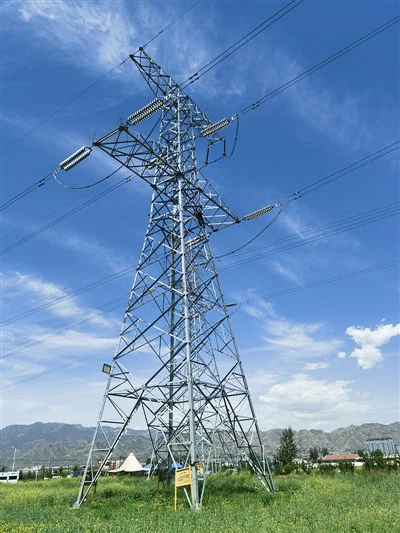
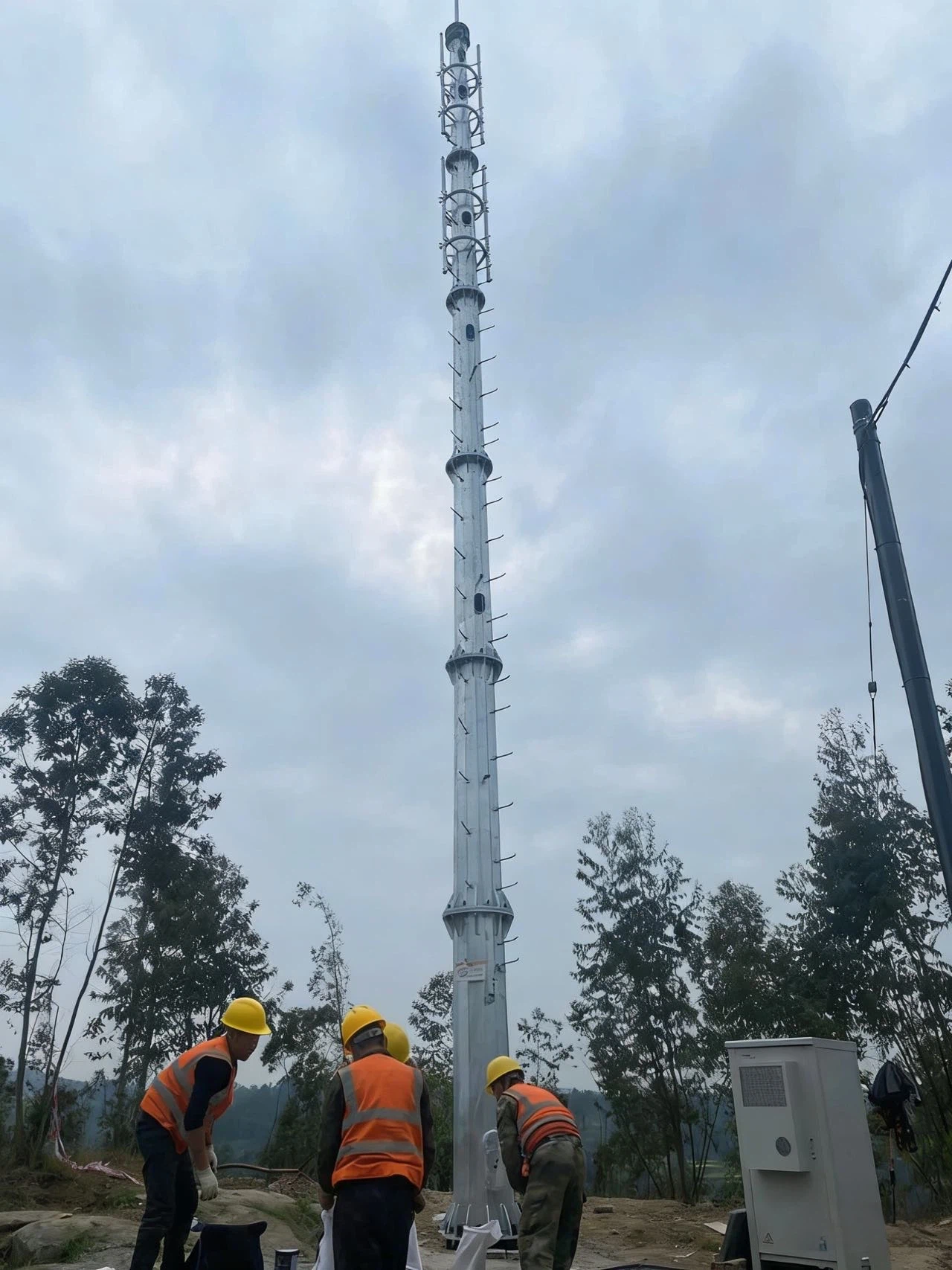
A lightning protection steel tower is a specially designed structure equipped to prevent lightning strikes from damaging the tower or the equipment attached to it. These towers are often used in communication, power transmission, and other critical infrastructure.
Key Components:
Steel Frame: The tower itself is made of galvanized steel or other corrosion-resistant materials, designed to withstand extreme weather conditions.
Lightning Rods: At the top of the tower, a series of rods or electrodes are installed to act as lightning receptors.
Grounding System: A robust grounding system is crucial for channeling the electrical charge safely into the earth.
Surge Protection Devices: These are installed to prevent lightning-induced electrical surges from damaging sensitive equipment.
How Lightning Protection Steel Towers Work
Lightning Strike Prevention:
Lightning protection steel towers are designed to intercept lightning strikes before they reach sensitive infrastructure. The lightning rod attracts the strike, guiding it through the tower's structure and into the ground, preventing damage to electronic systems.
Safety Mechanisms:
The grounding system ensures that the electrical charge from a lightning strike is safely dissipated into the earth, protecting the tower and any equipment connected to it.
Surge Protection:
Surge protectors within the tower's system minimize the risk of electrical surges that can damage equipment or disrupt services.
2. The Role of Lightning Protection Steel Towers in Safeguarding Critical Infrastructure
Protecting Power Grids and Electrical Infrastructure
Preventing Power Outages:
Power grids are highly vulnerable to lightning strikes. When a lightning bolt hits a transmission line or substation, it can cause power outages, equipment failure, and even fires. Lightning protection steel towers are strategically placed to intercept lightning before it reaches power lines, safeguarding the continuity of power delivery.
Enhancing System Reliability:
In areas with frequent thunderstorms, these towers are vital for ensuring that electrical infrastructure remains operational and that power systems can recover quickly from storm-induced disruptions.
Securing Communication Networks
Protection for Communication Towers:
Communication infrastructure such as mobile phone towers, radio stations, and satellite communication systems are highly vulnerable to lightning strikes. A lightning strike can damage both the structure of the tower and the electronics housed within. Lightning protection steel towers ensure that these critical communication systems remain intact and functional even during extreme weather conditions.
Ensuring Uninterrupted Communication:
In an increasingly interconnected world, uninterrupted communication is crucial. By preventing lightning damage, these towers help maintain essential services such as emergency communications, air traffic control, and internet connectivity.
Enhancing Resilience in Remote and Vulnerable Areas
Remote Power and Communication Systems:
Many critical infrastructures, including electrical grids and communication towers, are located in remote or rugged areas. In these locations, the risk of lightning damage is amplified due to the lack of nearby protection infrastructure. Lightning protection steel towers provide a cost-effective and reliable solution to protect these remote systems, ensuring they remain operational even in the most challenging environments.
Case Study: The Role of Lightning Protection in Energy Distribution
Energy Distribution in Storm-Prone Regions:
In regions prone to storms and high lightning activity, such as parts of the United States and Southeast Asia, lightning protection steel towers have been deployed to protect energy distribution networks. These towers help reduce the frequency of lightning-induced power outages and provide a more stable energy supply to communities, businesses, and critical facilities.
3. Advantages of Lightning Protection Steel Towers
Reducing Downtime and Operational Loss
Minimizing Financial Loss:
Lightning strikes can cause significant downtime, resulting in lost revenue, equipment replacement costs, and system repairs. Lightning protection steel towers help minimize the risk of such downtime, ensuring that critical infrastructure remains operational, which can be especially important in industries like telecommunications, power generation, and transportation.
Preventing Equipment Damage:
Lightning surges can damage sensitive electronic components within power substations or communication equipment. By preventing lightning from reaching these systems, lightning protection steel towers reduce the need for costly repairs or replacements, making them a cost-effective solution in the long term.
Enhancing Safety for Personnel
Safety of Maintenance Crews:
Lightning protection steel towers are essential in ensuring the safety of personnel working at height or in maintenance roles. By providing a safe path for lightning to follow, these towers help prevent lightning-induced injuries or fatalities during stormy weather.
Reducing Fire Hazards:
Lightning strikes are one of the leading causes of fires in power stations and industrial plants. By directing lightning safely into the ground, these towers reduce the likelihood of fires and explosions that can occur when lightning strikes flammable or sensitive equipment.
Supporting Environmental Sustainability
Long-Lasting Materials:
Made from durable and corrosion-resistant materials like galvanized steel, lightning protection steel towers are designed for long-term use. Their ability to withstand harsh weather conditions and last for decades makes them a sustainable solution for infrastructure protection.
Minimizing Environmental Impact:
By protecting critical infrastructure from lightning-induced damage, these towers help reduce the environmental impact associated with infrastructure repairs and rebuilding after lightning strikes. This reduces waste and the need for resource-intensive recovery efforts.
4. Challenges and Future Directions
Technological Limitations
Power and Signal Disruptions:
While lightning protection steel towers are effective at preventing lightning damage, they may not fully prevent power or signal disruptions caused by lightning-induced surges. The ongoing development of more advanced surge protection and grounding systems is necessary to ensure greater protection against electrical interference.
Maintenance and Upkeep:
Although lightning protection steel towers are designed to be low-maintenance, they still require periodic inspections and maintenance to ensure they are functioning properly. Harsh weather conditions, including corrosion and rusting, can affect the performance of these towers if not properly managed.
Environmental Concerns
Impact of Tower Construction:
The construction of lightning protection steel towers can have an environmental impact, especially in sensitive ecosystems or protected areas. Careful planning and implementation are needed to minimize the ecological footprint of these structures, and sustainable materials should be prioritized.
Sustainability Challenges:
While the towers themselves are designed to be long-lasting, the production of the steel and other materials used may still have an environmental cost. Finding ways to reduce the carbon footprint of production and increasing the recycling potential of the towers is crucial for long-term sustainability.
Future Advancements in Lightning Protection
Smart Towers with IoT Integration:
The future of lightning protection steel towers may involve the integration of smart technologies, such as sensors and IoT devices, which would provide real-time data on the tower's performance and lightning strike incidents. This data could be used to optimize tower placement and maintenance schedules, further enhancing their effectiveness.
Integration with Renewable Energy Systems:
As renewable energy sources like wind and solar become more prevalent, integrating lightning protection steel towers with these systems will become increasingly important. By ensuring the protection of wind farms, solar farms, and energy storage systems, these towers will contribute to the resilience of sustainable energy infrastructures.
Conclusion
In conclusion, lightning protection steel towers play a crucial role in ensuring the resilience of critical infrastructure against lightning-related damage. By intercepting and safely directing lightning strikes away from sensitive equipment, these towers help protect power grids, communication networks, and other vital systems, ensuring their continued operation even during extreme weather events.
The advantages of lightning protection steel towers-including reducing downtime, preventing equipment damage, and enhancing personnel safety-make them an indispensable component of modern infrastructure. As technology continues to evolve, the future of these towers looks promising, with advancements in IoT integration, surge protection, and sustainability driving further improvements in their design and performance.
However, challenges such as maintenance, environmental impact, and technological limitations remain. Addressing these challenges will be key to maximizing the effectiveness of lightning protection steel towers in safeguarding infrastructure for years to come. As global infrastructure becomes more complex and vulnerable to climate change, lightning protection steel towers will remain an essential part of building resilience in the face of nature's unpredictable forces.