Introduction
In an increasingly connected and data-driven world, the demand for real-time information is more critical than ever. From security surveillance to environmental management, industries and governments alike require reliable tools to collect and monitor data from vast and often remote locations. One such indispensable tool is the monitoring tower, a structure equipped with sensors, cameras, and other technologies that enable comprehensive surveillance and environmental monitoring.
These towers have become integral components in various sectors, including national security, environmental conservation, urban planning, and disaster management. They offer real-time data, provide valuable insights, and contribute to decision-making processes in both public and private sectors. The role of monitoring towers extends beyond simple surveillance; they are now essential for managing resources, protecting ecosystems, and improving public safety.
This article will explore the significant roles of monitoring towers in surveillance and environmental monitoring. It will examine their components, technologies, applications, and future potential, highlighting how they are transforming industries and enhancing our ability to monitor and respond to the world around us.
1. What Are Monitoring Towers?
Definition and Components of a Monitoring Tower
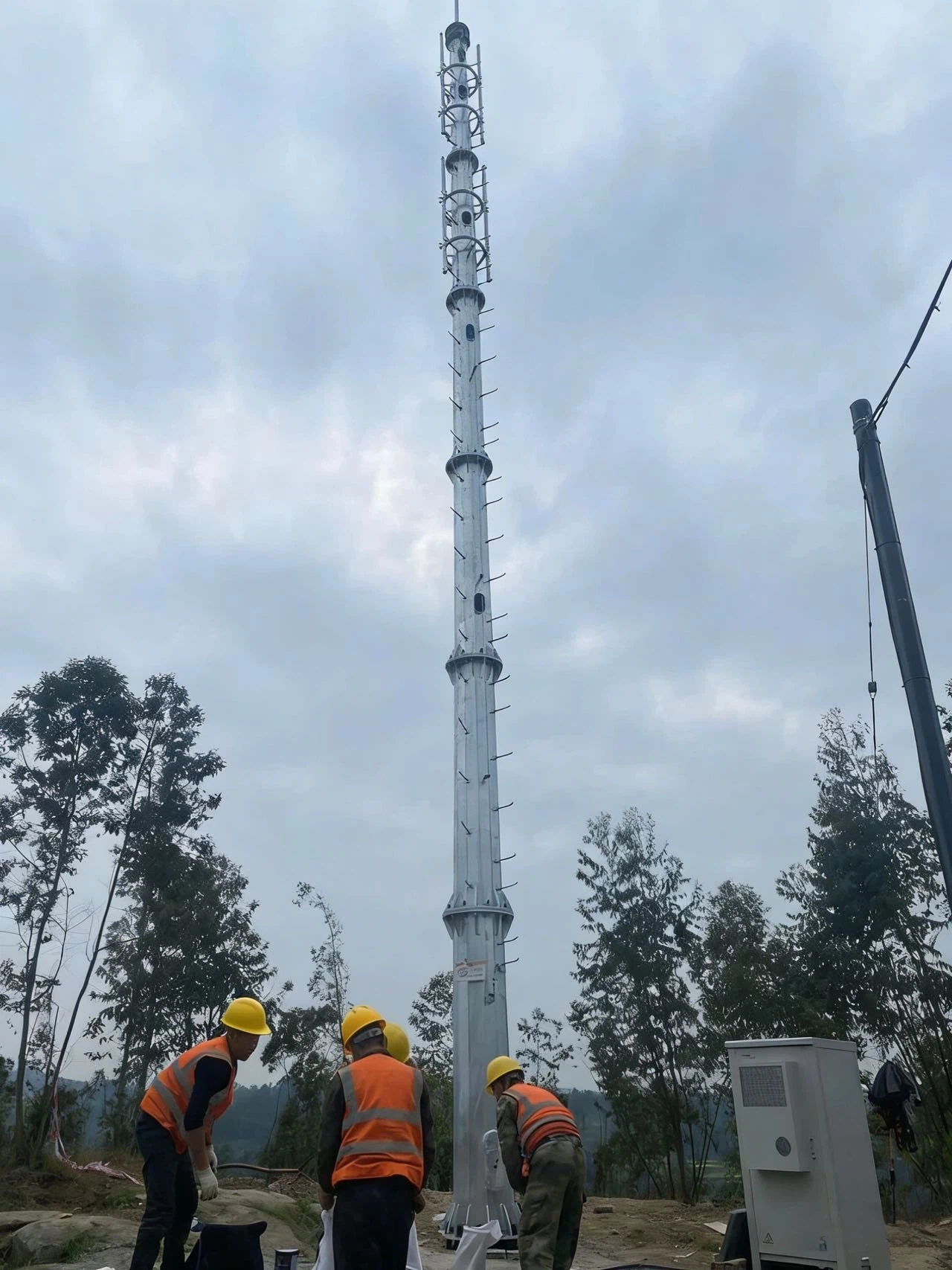
A monitoring tower is a tall structure designed to support a variety of monitoring equipment, including cameras, sensors, radar systems, and communication tools. These towers are strategically placed in areas where data collection and surveillance are crucial-such as border zones, remote ecosystems, urban areas, and disaster-prone regions.
The key components of a monitoring tower typically include:
Sensors: These can measure a range of environmental variables such as air quality, temperature, humidity, or atmospheric pressure. Sensors also detect motion or sound, aiding in security monitoring.
Cameras: Surveillance cameras, both visible and infrared, are often installed on monitoring towers. These cameras help with security, surveillance, and the monitoring of wildlife or environmental changes.
Radars: Some monitoring towers are equipped with radar systems, which are particularly useful for long-range detection and surveillance. These can track movement or provide situational awareness in environments where visual monitoring is insufficient.
Communication Systems: Communication systems are integrated to transmit the data collected by the sensors and cameras to central systems for analysis. These systems may include satellite, radio, or internet connections to ensure data reaches its destination.
Power Supply: To ensure continuous operation, especially in remote locations, monitoring towers often rely on solar panels or backup generators to power their equipment.
Types of Monitoring Towers
Different types of monitoring towers serve various purposes depending on their location and the data they are designed to collect. Common types include:
Surveillance Towers: These towers are designed primarily for security purposes. They are equipped with cameras, motion detectors, and infrared sensors to monitor human activities or vehicles in specific areas, such as borders, military installations, or urban centers.
Environmental Monitoring Towers: These towers are equipped with sensors designed to track environmental variables such as air quality, weather conditions, and soil moisture. They are commonly found in agricultural settings, forests, and rural areas to monitor natural resources and ecological conditions.
Smart Towers: As part of the growing trend toward the Internet of Things (IoT), smart monitoring towers are equipped with advanced sensors that collect a wide range of data. These towers can transmit data in real-time, providing immediate insights for decision-makers.
How Monitoring Towers Work
Monitoring towers operate by gathering data from their environment through sensors, cameras, or radars. The data is then processed and transmitted to a central system, where it is analyzed and used for decision-making. These towers are often part of larger networks, where data from multiple towers is collected and analyzed to provide a comprehensive view of the monitored area.
In remote locations, monitoring towers often rely on autonomous systems to ensure continuous operation. This may include solar-powered equipment, automated data transmission, and satellite-based communication systems. The integration of cloud computing and IoT technologies has made it possible for monitoring towers to send and receive data in real-time, providing instant insights for a wide range of applications.
2. Applications of Monitoring Towers in Surveillance
Role in Security and Surveillance
Monitoring towers have long been essential tools for security and surveillance. These towers are used by law enforcement agencies, military organizations, and private entities to monitor large areas for potential threats.
Urban Security: In densely populated cities, monitoring towers help improve public safety by monitoring public spaces, highways, and critical infrastructure. These towers are often equipped with high-definition cameras and motion sensors, which can detect suspicious behavior or criminal activity. They provide real-time surveillance, allowing authorities to respond quickly to incidents.
Border Surveillance: Monitoring towers are critical in areas that are difficult to secure, such as border regions, coastlines, or remote military zones. With advanced radar systems, cameras, and thermal imaging, these towers help detect unauthorized movements and prevent illegal crossings. This enhances national security and facilitates efficient border control.
Critical Infrastructure Protection: Monitoring towers are also deployed around high-security zones such as power plants, government buildings, and transportation hubs. Continuous monitoring ensures that any suspicious activity is detected and addressed promptly, safeguarding both physical and digital infrastructure.
Remote Area Surveillance
Monitoring towers are often deployed in areas that are hard to reach by traditional means. They provide a cost-effective and efficient solution for monitoring remote locations, from wildlife conservation areas to disaster zones.
Wildlife Monitoring: In national parks and protected wildlife areas, monitoring towers are used to track wildlife, monitor their behavior, and detect illegal poaching activities. The cameras and sensors can capture data without disturbing the animals, making these towers essential for conservation efforts.
Disaster Management: After natural disasters such as hurricanes, floods, or earthquakes, monitoring towers are used to assess damage and coordinate rescue operations. These towers provide live footage and environmental data, helping emergency responders make informed decisions in real-time.
Case Study: Monitoring Towers in National Security
A prime example of the application of monitoring towers in national security is their use in the United States for border surveillance. Along the southern border, monitoring towers are equipped with long-range cameras, infrared sensors, and radar to monitor a wide swath of land. The data collected is sent to border control stations, where it is analyzed to detect unauthorized activity, such as drug trafficking or illegal immigration. This system has been instrumental in enhancing security and reducing illegal crossings.
3. Applications of Monitoring Towers in Environmental Monitoring
Environmental Data Collection
Monitoring towers play a critical role in gathering real-time environmental data, which is essential for managing resources and assessing environmental conditions.
Weather Monitoring: Weather stations located atop monitoring towers collect vital meteorological data, including temperature, humidity, air pressure, and wind speed. This information helps predict weather patterns, monitor climate change, and inform public safety measures such as storm warnings.
Air Quality Monitoring: In urban centers or industrial zones, monitoring towers with air quality sensors are used to measure pollutants like carbon dioxide, nitrogen oxides, and particulate matter. This data helps authorities take action to improve air quality and protect public health.
Soil and Water Quality Monitoring: In rural areas, especially in agriculture, monitoring towers can be equipped to track soil conditions, moisture levels, and water quality in nearby rivers and lakes. These towers provide critical information for farmers, ensuring efficient use of water resources and promoting sustainable farming practices.
Monitoring Towers in Natural Resource Management
Monitoring towers are invaluable tools for managing natural resources, ensuring that they are used sustainably and protected from over-exploitation.
Forest Management: Monitoring towers are used in forestry to track deforestation, monitor forest health, and ensure compliance with logging regulations. These towers can also detect signs of illegal logging and help enforce conservation laws.
Marine and Coastal Monitoring: Along coastlines, monitoring towers equipped with environmental sensors help track sea-level rise, wave patterns, and pollution in the ocean. This data supports environmental protection initiatives and helps mitigate the effects of climate change on coastal ecosystems.
Case Study: Monitoring Towers for Climate Research
In the Arctic region, monitoring towers have been deployed to study climate change. These towers collect data on atmospheric conditions, ice thickness, and temperature fluctuations, providing essential insights into the effects of global warming. The data gathered helps scientists understand how climate change is impacting the polar regions and contributes to broader climate models.
4. Advantages of Monitoring Towers
Real-Time Data and Enhanced Decision-Making
The key advantage of monitoring towers is their ability to provide real-time data, allowing for faster decision-making and response times. In emergency situations, such as natural disasters or security threats, this capability is invaluable.
Instant Data Access: Whether it's detecting a fire in a remote forest or monitoring illegal activities at a border, monitoring towers provide real-time data that helps authorities take immediate action.
Informed Decision-Making: The data from monitoring towers allows governments, organizations, and businesses to make more informed decisions. From policy changes to resource allocation, these towers provide insights that lead to better planning and execution.
Cost-Effective Surveillance and Monitoring
Compared to traditional methods, monitoring towers offer a more cost-effective and sustainable solution for continuous surveillance and environmental monitoring. Unlike manpower-intensive alternatives, these towers can operate autonomously for extended periods, reducing operational costs.
Lower Operational Costs: By automating data collection and surveillance, monitoring towers reduce the need for human patrols and frequent site visits. Once installed, maintenance costs are relatively low, as many towers are designed to function independently and often rely on renewable energy sources such as solar power.
Remote Access: With data transmission capabilities, monitoring towers allow operators to access real-time information remotely, minimizing the need for staff on-site. This remote monitoring can be especially valuable in difficult-to-reach or hazardous locations, where human presence is limited or impractical.
Enhanced Safety and Security
Monitoring towers play a crucial role in enhancing safety and security across multiple domains. They provide continuous surveillance, which helps prevent crime, mitigate risks, and ensure public safety.
Preventing Crime and Threats: In urban and high-risk areas, monitoring towers equipped with cameras and sensors help detect unusual activity, which can be flagged for further investigation. Whether it's a potential break-in, a traffic violation, or a security breach, the towers provide valuable data that aids law enforcement agencies in responding effectively.
Disaster Preparedness: Monitoring towers also help detect early signs of environmental disasters, such as forest fires or flooding, through environmental sensors. Early detection allows for faster response times, saving lives and property. Additionally, these towers provide valuable data for assessing the aftermath of a disaster, aiding in the recovery and rebuilding process.
5. Challenges and Future Directions
Technological Limitations
While monitoring towers offer several advantages, they are not without their challenges. Technological limitations, such as connectivity issues and the need for advanced power solutions, continue to pose problems.
Power Supply and Connectivity: Remote areas, in particular, face challenges in terms of providing reliable power and ensuring uninterrupted data transmission. While many towers use solar power, inclement weather or cloudy conditions may limit the effectiveness of solar panels. Similarly, maintaining stable internet or satellite connections in areas with weak infrastructure remains an ongoing challenge.
Equipment Maintenance: Monitoring towers require regular maintenance to ensure their sensors and cameras are functioning correctly. Harsh environmental conditions, such as extreme temperatures, humidity, or saltwater exposure, can accelerate wear and tear. This necessitates periodic checks and servicing, adding to operational costs.
Privacy and Ethical Concerns
The widespread use of monitoring towers-especially in urban environments-raises significant concerns about privacy and data security. These towers, often equipped with surveillance cameras and sensors, can lead to situations where individuals' movements are constantly monitored.
Surveillance and Privacy: The pervasive nature of surveillance through monitoring towers can lead to privacy violations if not properly regulated. Balancing the benefits of security with individual privacy rights remains a critical issue for policymakers. Ensuring that surveillance data is used responsibly and not misused for unauthorized purposes is a growing concern.
Data Security: As monitoring towers generate vast amounts of data, ensuring the security of this information is essential. With cybersecurity threats on the rise, safeguarding sensitive surveillance and environmental data against hacking or unauthorized access is a priority.
The Future of Monitoring Towers
The future of monitoring towers looks promising, as technological advancements continue to enhance their capabilities and efficiency. A few key areas where monitoring towers are expected to evolve include:
AI Integration: Artificial intelligence (AI) is poised to revolutionize the functionality of monitoring towers. By integrating AI and machine learning, these towers will be able to process and analyze data in real time, enabling automatic identification of patterns or anomalies. For example, AI can help detect potential security threats based on behavior analysis or environmental changes without human intervention.
Smart and Sustainable Towers: Future monitoring towers will be designed to be even more sustainable, incorporating renewable energy sources such as wind or solar power to reduce their environmental impact. Additionally, advancements in materials science may allow for the construction of lighter, more durable towers that can withstand extreme weather conditions and minimize their environmental footprint.
IoT Connectivity: The integration of the Internet of Things (IoT) will enable monitoring towers to connect with other devices and sensors, creating an intelligent network that can share data seamlessly. This interconnected system will enhance the accuracy of environmental monitoring, improve surveillance coverage, and allow for more efficient resource management.
Autonomous Monitoring Systems: As drone technology and robotics advance, there is potential for monitoring towers to work in conjunction with drones to gather real-time data over vast areas. This will increase the flexibility and mobility of monitoring systems, enabling them to respond quickly to changing circumstances and access areas that are difficult to reach with traditional towers.
Conclusion
In conclusion, monitoring towers are pivotal in the modern landscape of surveillance and environmental monitoring. These towers provide the backbone of many critical systems, from urban security and border control to environmental conservation and disaster management. Their ability to collect real-time data from remote or hard-to-reach areas makes them invaluable tools for governments, businesses, and environmental agencies alike.
As technology continues to evolve, monitoring towers will become even more integral to our infrastructure, contributing to safer cities, better-managed natural resources, and more effective disaster response systems. Despite the challenges-such as power supply issues, privacy concerns, and maintenance-ongoing advancements in AI, IoT, and sustainability will drive innovation in monitoring systems, ensuring that these towers continue to evolve and meet the growing needs of modern society.
Whether it's preventing crime, monitoring air quality, or tracking climate change, monitoring towers will remain crucial to our ability to understand and manage the world around us. Their ability to provide data, enhance decision-making, and improve operational efficiency ensures that they will play a central role in the future of global monitoring systems.