Introduction
In today's fast-paced, technology-driven world, staying connected is not just a convenience; it's a necessity. From social media platforms to business transactions, from healthcare systems to educational tools, nearly every aspect of our lives relies on communication infrastructure. At the heart of this infrastructure lie communication towers-the towering sentinels that enable mobile networks, broadcasting systems, and internet services.
These structures, which once seemed like simple metal poles, have evolved into complex hubs of connectivity, supporting everything from traditional radio transmissions to modern 5G networks. But what makes these towers so critical to our connected world, and how are they evolving to meet the demands of tomorrow's technology?
This article will delve into the role of communication towers in shaping the modern digital landscape. We'll explore their various functions, the technology driving them forward, their role in global connectivity, and the challenges they face in the ever-evolving telecommunications industry.
1. The Function and Importance of Communication Towers
What Are Communication Towers?
Communication towers are tall structures that house antennas, transmitters, and receivers to facilitate wireless communication. These towers are used to broadcast signals for mobile communication networks, television and radio broadcasts, internet services, and more. They are essential pieces of infrastructure for both urban and rural communication networks, enabling seamless transmission of data across vast distances.
The key components of communication towers include:
Antennas: These are crucial for receiving and transmitting electromagnetic waves that carry signals for mobile phones, internet, television, and radio.
Transmitters and Receivers: These devices amplify signals and convert them into usable formats for communication.
Power Supply: A steady power source is required to run the electronics and maintain reliable signal transmission.
Types of Communication Towers
There are several types of communication towers, each designed for specific functions and environments. Some of the most common include:
Lattice Towers: These are the most widely used type of tower, particularly for supporting heavy antennas and transmitters. Their lattice design is sturdy and provides high resistance to wind and weather conditions.
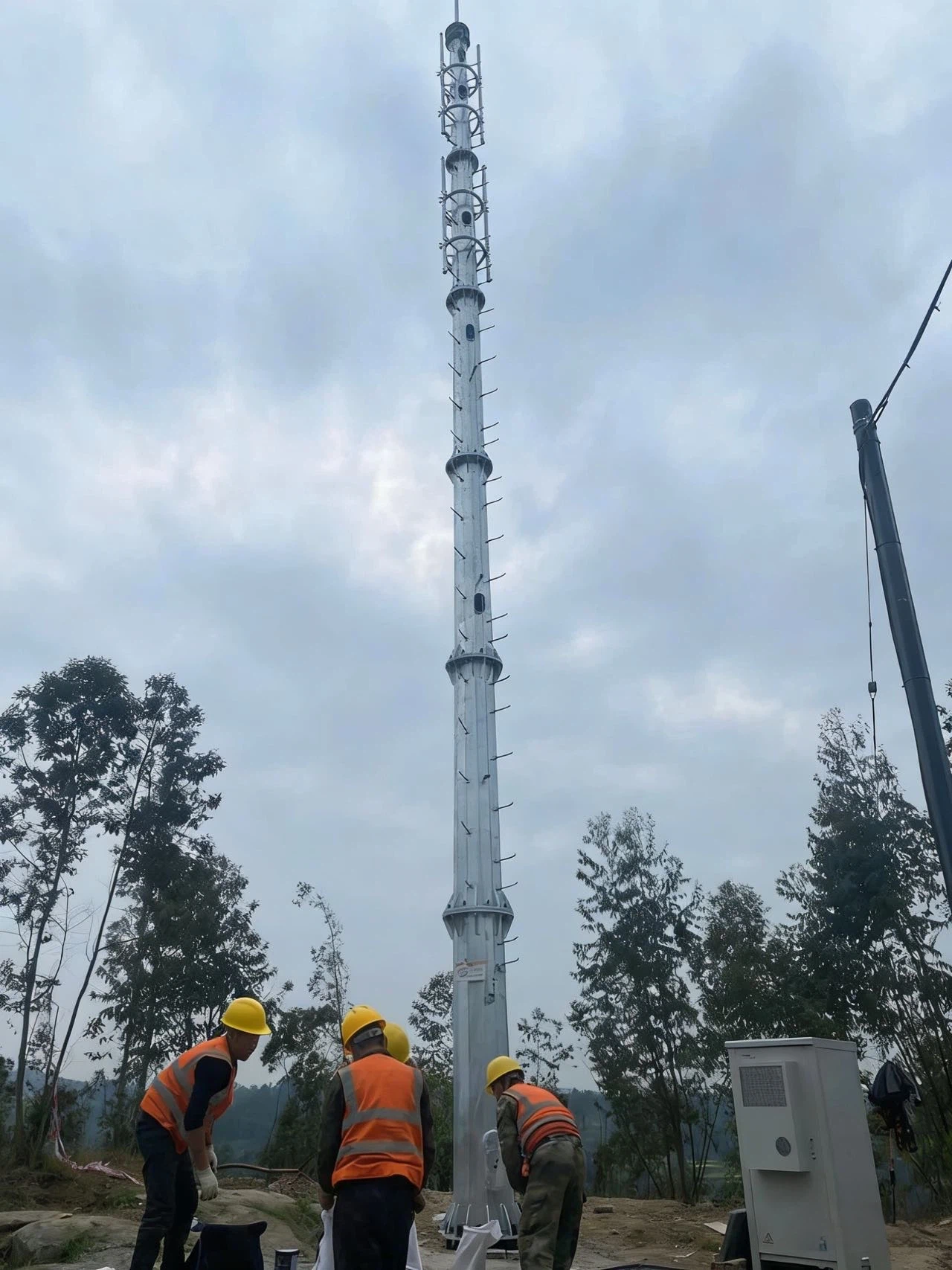
Monopole Towers: Unlike lattice towers, monopoles consist of a single pole structure, often with a smaller footprint. They are typically used in urban areas or places where space is limited.
Guyed Towers: These towers are supported by guy wires, making them highly stable and suitable for very tall structures. They are often used for long-range communications.
Microcell Towers: With the rise of 5G networks, smaller towers, known as microcells, are being deployed to enhance coverage in densely populated urban areas. These small towers ensure high-speed internet and low-latency connections.
The Critical Role of Communication Towers in Connectivity
At their core, communication towers are responsible for transmitting signals between different parts of the world. This includes:
Mobile Communication: Without communication towers, mobile phone networks would not be able to deliver signals effectively, making mobile connectivity impossible.
Broadcasting Services: Communication towers are also crucial for broadcasting radio and television signals. These towers ensure that millions of people can access free-to-air media across large regions.
Internet and Data Networks: With the advent of wireless internet, communication towers have become the backbone of broadband networks, supporting internet access in both urban and rural areas.
The importance of these towers cannot be overstated. They not only provide the infrastructure for traditional voice communication but also support the digital services that have become a critical part of modern life.
2. Technological Advancements Shaping Communication Towers
The Shift to 5G and Its Impact on Communication Towers
The telecommunications industry is undergoing a massive transformation with the introduction of 5G technology. Unlike previous generations, 5G promises ultra-fast internet speeds, low latency, and massive connectivity-enabling the Internet of Things (IoT), autonomous vehicles, and smart cities. However, to support these advances, communication towers are also evolving.
5G Networks: 5G requires significantly more towers than 4G or 3G networks because its high-frequency signals have a shorter range and are more easily blocked by buildings or obstacles. This means that thousands of new communication towers are being built to support the dense network required for 5G to function effectively.
Small Cells: To achieve widespread 5G coverage, small cells-miniaturized versions of communication towers-are being deployed in urban areas. These smaller towers, often placed on rooftops or in public spaces, help to densify the network and improve connectivity in high-traffic locations.
Integration with the Internet of Things (IoT)
As the IoT continues to expand, so does the demand for robust communication infrastructure. The communication towers that support IoT networks need to handle a vast number of low-power, short-range devices that require constant connectivity.
Smart Towers: To accommodate the needs of IoT, communication towers are becoming "smart." These towers are equipped with sensors and automated systems that monitor signal strength, adjust antenna orientations, and optimize network performance in real-time.
Supporting Connected Devices: IoT devices, such as sensors, wearables, and smart home appliances, rely on communication towers to transmit data. These towers are key to ensuring that IoT systems can operate efficiently and with minimal interference.
Enhancing Signal Quality with New Materials and Designs
The materials and designs of communication towers are also evolving to meet the needs of next-generation networks. Engineers are experimenting with advanced materials, such as carbon fiber, to create lighter yet more durable towers. These new designs reduce the structural weight of towers while maintaining their strength and stability.
Additionally, communication towers are being built with environmental concerns in mind. Many new towers are designed to blend into natural landscapes, minimizing their visual impact on the environment.
3. The Global Reach of Communication Towers
Communication Towers in Urban vs. Rural Areas
Urban Areas: In cities, space is at a premium, and traditional tall communication towers may not be feasible. Instead, towers are being integrated into existing infrastructure, such as rooftops, lamp posts, and even billboards. These "urban microcells" help improve coverage and reduce congestion on the network.
Rural Areas: Communication towers play an even more critical role in rural or underserved regions. In many developing countries, communication towers are the key to expanding mobile networks and internet access. In these areas, towers often serve as the only means of connecting isolated communities to the digital world.
Case Studies of Communication Towers Enhancing Connectivity
Africa: In many African countries, communication towers have been instrumental in expanding mobile coverage. In rural regions, these towers are the primary means of communication and have become key tools for economic development, providing access to mobile banking, healthcare services, and education.
Southeast Asia: Countries like India, Indonesia, and the Philippines have heavily invested in communication towers to bridge the connectivity gap in remote areas. These towers enable rural populations to access critical services like healthcare and education through mobile platforms.
Global Infrastructure and Future Growth
The global demand for communication services is only expected to grow. According to the International Telecommunication Union (ITU), more than 4 billion people worldwide still lack reliable access to the internet. Communication towers will be crucial in bridging this gap, particularly as the world continues to urbanize and more people connect to the internet for the first time.
4. Environmental and Regulatory Challenges
Environmental Concerns
While communication towers are vital for modern connectivity, their construction and operation can have environmental consequences. Tower construction requires large amounts of land and can disrupt local ecosystems. In some areas, the installation of towers poses a threat to wildlife, particularly birds that may collide with antennas or wires.
Sustainable Practices: To mitigate these concerns, some companies are investing in more sustainable practices, such as using renewable energy sources like solar or wind to power communication towers. Additionally, towers are being designed to minimize their impact on wildlife and local ecosystems.
Regulatory and Legal Framework
The construction and operation of communication towers are subject to a wide range of regulations. In many countries, towers must adhere to zoning laws, environmental protection guidelines, and health and safety standards. These regulations can delay the construction of new towers and increase operational costs.
Health and Safety Concerns: There are concerns about the potential health effects of electromagnetic radiation emitted by communication towers. While research has shown that the radiation levels are generally safe, regulatory bodies continue to monitor and set safety limits for electromagnetic exposure.
The Role of Governments and Policymakers
Governments play a critical role in facilitating the development of communication towers by setting policies that encourage investment and providing incentives for expansion into underserved areas. Public-private partnerships can help fund infrastructure projects that bring communication services to rural and developing regions.
Conclusion
Communication towers are not just physical structures; they are the lifeblood of the digital economy. From enabling mobile communication to broadcasting television and radio signals, these towers are integral to maintaining the global communication network that we rely on every day. As we move toward more connected, high-speed environments driven by 5G, IoT, and smart technologies, communication towers will continue to evolve, becoming smarter and more integrated into the fabric of our cities, communities, and digital services.
The future of communication towers is bright, but it also comes with challenges. Balancing environmental concerns, regulatory requirements, and the increasing demand for connectivity will require continued innovation. However, with the right investments and technological advances, communication towers will remain the backbone of our connected world, supporting the growth of global communications for years to come.