Introduction
Context: The global energy sector is undergoing a transition, driven by the need for cleaner, more efficient systems. With growing concerns over climate change and the depletion of fossil fuels, finding sustainable ways to transmit and distribute energy is critical.
Energy Transmission Challenge: While renewable energy generation is gaining momentum, challenges still exist in terms of efficient transmission. Power towers, or high-voltage transmission towers, are an essential component in overcoming this issue by facilitating the transmission of electricity over long distances.
Purpose of the Article: This article explores the role of power towers in the future of energy transmission, their efficiency, environmental impact, and the challenges they face in evolving energy networks. It also highlights how they contribute to making renewable energy sources more accessible and reliable.
1. Understanding Power Towers
Definition and Purpose of Power Towers
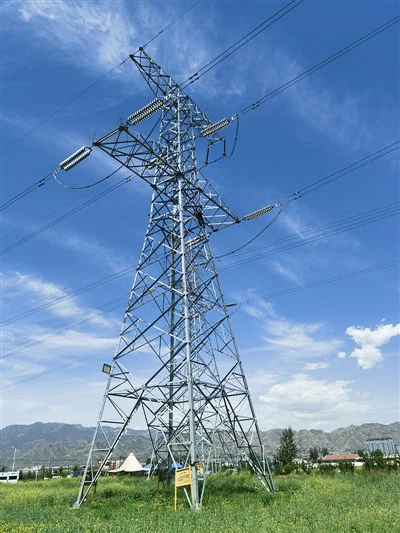
Transmission Infrastructure: Power towers, often referred to as transmission towers, are large structures used to support high-voltage power lines that carry electricity over long distances from power plants to cities and industrial areas. They are essential to the grid infrastructure that makes modern energy systems functional.
Design and Functionality: These towers are designed to withstand harsh environmental conditions, and they support power lines that transmit electricity at high voltages, reducing energy loss over long distances.
Types of Power Towers
Steel Lattice Towers: These are the most common type of power towers, known for their durability and ability to support heavy transmission cables. They are used in high-voltage transmission lines, particularly in areas with long distances between power plants and consumers.
Concrete or Hybrid Towers: Newer innovations in power tower design include hybrid towers that combine steel and concrete for added strength and cost-efficiency, particularly in regions where steel is expensive or less available.
Role in the Energy Grid
Connecting Power Sources to Consumers: Power towers are essential in linking power plants (whether coal, gas, or renewable energy sources) to the end users-homes, businesses, and industries.
High-Voltage Direct Current (HVDC) Transmission: Power towers are also crucial for the growing adoption of HVDC systems, which are more efficient for transmitting electricity over vast distances, especially when connecting renewable energy sources in remote areas to urban centers.
2. Advantages of Power Towers
Efficient Long-Distance Transmission
Minimizing Energy Loss: One of the primary advantages of power towers is their ability to transmit electricity over long distances with minimal energy loss. By using high-voltage transmission lines, power towers reduce the resistance encountered by the electrical current, ensuring efficient power delivery.
Supporting Renewable Energy Integration: Power towers play a crucial role in facilitating the transmission of electricity generated from renewable sources, such as wind and solar farms, often located in remote areas far from demand centers.
Reliability and Stability
Grid Stability: Power towers contribute to the stability of the energy grid by providing a reliable pathway for electricity. The use of multiple towers and redundant transmission lines helps ensure that power can still be delivered even if one line is damaged or fails.
Preventing Overload: High-voltage transmission helps to balance supply and demand across different regions, preventing local grid overloads and ensuring that electricity is distributed efficiently.
Environmental Benefits
Low Environmental Impact: While the construction of power towers does require land, they typically have a low environmental footprint compared to traditional energy plants. Unlike fossil fuel plants, power towers do not produce direct emissions.
Supporting Clean Energy Integration: Power towers are essential for integrating renewable energy sources into the grid. By enabling the transmission of electricity from remote renewable sources (such as offshore wind or solar farms), they facilitate the transition to a cleaner energy future.
3. The Global Application of Power Towers
Role in Modern Energy Networks
Global Energy Networks: Power towers are critical components of the global energy transmission networks. Countries with large, remote energy sources (like wind farms in the North Sea or solar farms in the desert) rely on power towers to transport electricity to urban areas.
Cross-Border Power Transmission: In some regions, power towers are used to transmit electricity across borders. For instance, the European Union has created an interconnected power grid, allowing electricity to flow freely between member states.
Case Studies in Large-Scale Transmission
The U.S. Grid: The United States has a vast network of power towers that connect power plants to homes and industries. The country has also begun investing in HVDC systems that are supported by power towers for more efficient long-distance transmission.
China's National Grid: China has been rapidly expanding its power transmission infrastructure, including power towers, to accommodate the increasing demand for electricity. The country's vast network is one of the largest in the world, enabling the integration of renewable energy sources from remote regions.
Facilitating Renewable Energy Distribution
Renewable Energy Highways: Power towers are instrumental in the development of "renewable energy highways," which are transmission networks designed to bring energy from large-scale renewable projects (like solar farms in the desert) to areas with high energy consumption.
Connecting Offshore Wind Farms: Offshore wind energy is a growing sector, and power towers play a crucial role in transmitting electricity from offshore wind farms to land-based grids.
4. Challenges and Limitations of Power Towers
High Capital and Maintenance Costs
Initial Investment: The construction of power towers requires significant upfront investment, including costs for materials, labor, and environmental considerations.
Ongoing Maintenance: Maintaining the integrity of power towers, especially in remote or harsh environments, requires regular inspections and repairs. Towers must also be reinforced in areas that experience extreme weather conditions, adding to maintenance costs.
Environmental and Land Use Considerations
Land Requirements: Power towers need large areas of land to construct the transmission lines and support infrastructure. This can lead to conflicts over land use, especially in densely populated areas or protected natural environments.
Wildlife and Habitat Disruption: The construction of power towers can disrupt local wildlife and ecosystems, particularly in rural or ecologically sensitive areas. Birds and other animals may be at risk from the high-voltage power lines.
Vulnerability to Weather and Natural Disasters
Weather-Related Risks: Power towers are vulnerable to extreme weather events such as hurricanes, wildfires, or ice storms. These events can damage towers, causing widespread power outages and requiring costly repairs.
Cybersecurity and Terrorism: As critical infrastructure, power towers are also at risk from cybersecurity threats and potential attacks, which could disrupt power transmission on a massive scale.
5. Future Innovations and Development
Advanced Transmission Technologies
Smart Grids and IoT Integration: The future of power towers lies in their integration with smart grid technology. By using sensors and real-time data analytics, power towers can optimize the transmission of electricity, improve grid stability, and reduce energy loss.
High-Temperature Superconductors: The development of superconducting cables could drastically increase the efficiency of power towers, allowing for more electricity to be transmitted over longer distances with less energy loss.
New Tower Designs
Hybrid Towers: Innovations in materials science are leading to the development of hybrid power towers that combine steel, concrete, and composite materials to reduce costs and improve durability.
Smarter Design for Extreme Conditions: New designs for power towers are also focusing on minimizing the environmental impact while maximizing resilience against extreme weather events and natural disasters.
Enhanced Renewable Energy Integration
Decentralized Energy Systems: Power towers will continue to play a role in enabling decentralized energy systems, allowing regions to rely more heavily on renewable sources such as wind and solar without sacrificing reliability or efficiency.
Global Interconnection: Continued global interconnection of energy grids will make it easier to balance renewable energy generation with demand, making power towers an integral part of international efforts to transition to sustainable energy.
Conclusion
Power towers are indispensable components of modern energy infrastructure, serving as the backbone for electricity transmission across vast distances. By enabling the transfer of electricity from distant power plants to urban centers, they play a critical role in making energy systems more efficient, reliable, and adaptable to renewable energy integration.
As the world shifts towards cleaner energy sources, power towers will continue to support this transition by ensuring that renewable electricity can be reliably delivered to where it is needed most. Despite challenges such as high costs, land use concerns, and vulnerability to extreme weather, ongoing innovations in tower design, materials, and transmission technology will help overcome these obstacles.
With continued investment and technological development, power towers will remain a crucial part of sustainable energy systems, contributing to a cleaner, greener, and more interconnected world.