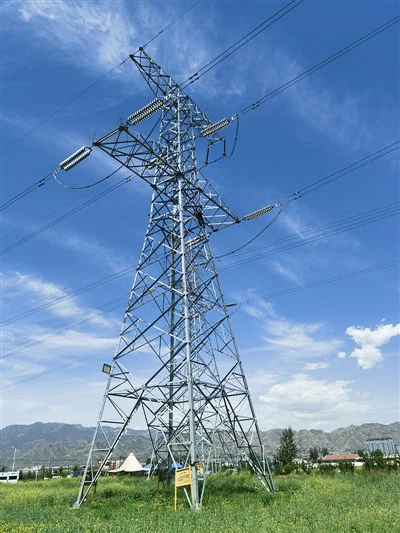
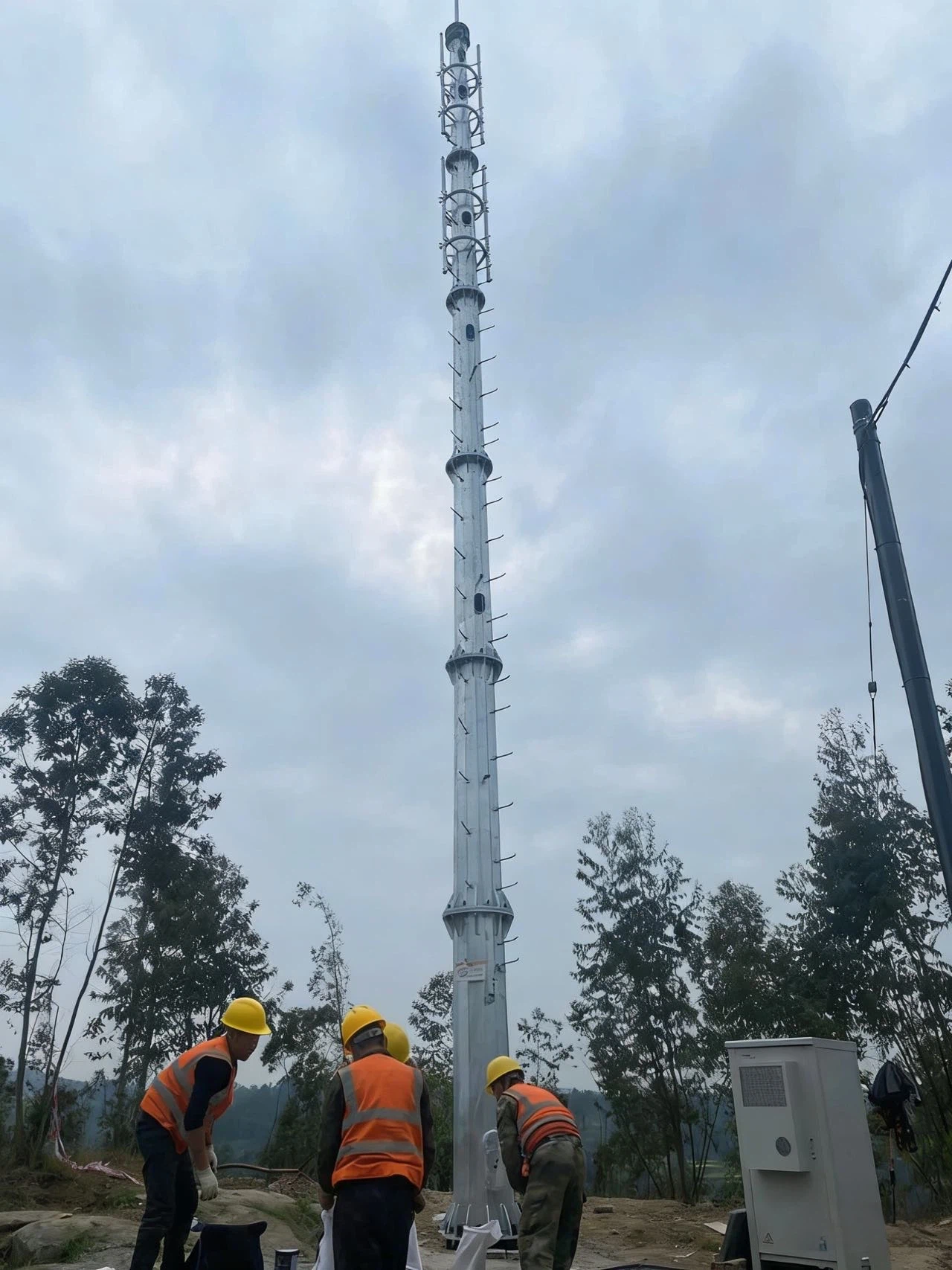
A tower does not only stand still. It takes force from conductors, ground wires, insulators, wind, ice, and sometimes uneven terrain. The structure effectively resists the influence of wind, earthquake and other natural conditions, guaranteeing the safe operation of communication equipment. For power line work, the same idea is used in another way: the tower must keep electrical clearance and hold the line under outdoor load.
A self-supporting transmission tower is used when the site cannot provide space for guy anchors. Its legs, braces, and foundation share the load. A portal type transmission tower gives a wide opening and a clear crossbeam layout, so it is useful near substations or special crossings. A suspension type transmission tower has a lighter task on straight sections, but it still needs the correct design for wind area and conductor model.
Good tower selection starts from site data, not from a product name alone. The line angle, span, voltage, wind speed, ice thickness, and foundation limit should be checked together. After that, the factory can prepare member drawings, galvanizing work, bolt sets, and packing marks. This makes installation safer and reduces later repair work.